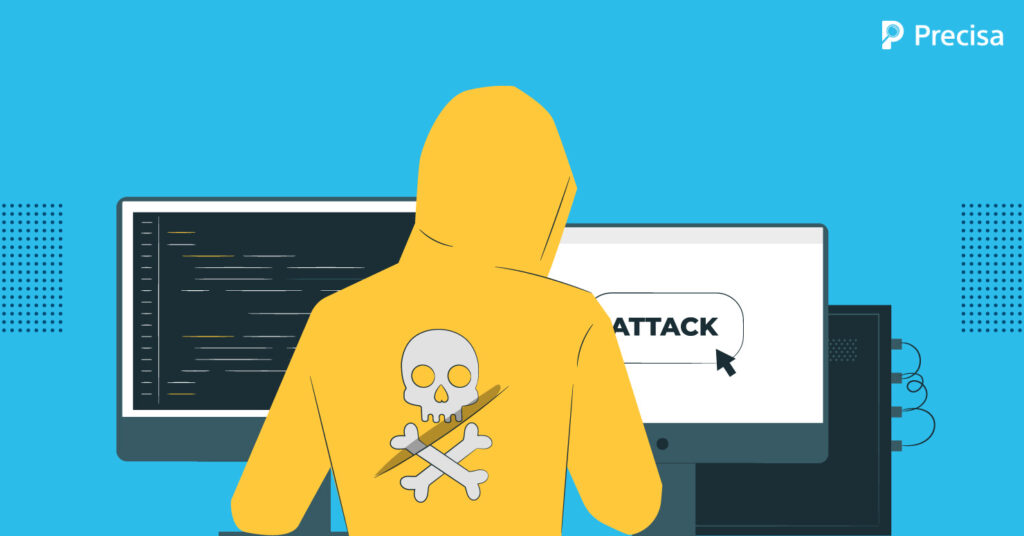
RBI’s Report on Trend and Progress of Banking in India 2020-21 already reported 4,071 banking frauds involving Rs 36,342 cr within the first half of FY 2021-22.
One thing is clear: fraudsters and their methods are only becoming more sophisticated with time. Nowadays, information technology allows fraudsters to use unprecedented ways to impersonate legitimate customers, intercept transactions, launder money, and do so without leaving a trace. As a result, committing banking fraud is becoming easier, especially in the developing world.
Banks, therefore, must exercise increased vigilance to ensure that their customers’ money is safe and that their processes are foolproof. Thankfully, while evolving technology is the root of the problem, it also provides a solution.
There are new methods that banks can deploy to ensure their safety and protection and prevent banking frauds. Of course, the solution can differ depending on the type of fraud. But they all have a common thread: new technology.
Kinds of Banking Frauds and the Solution
Below given are some of the most formidable banking frauds that the world has faced and still face from time to time:
Money laundering
Money laundering allows fraudsters to turn “black” money into legitimate money. Money made by illegal means can be turned into legal money by passing it through the banking system.
Once the money passes through the banking system, it is deemed legitimate money because the “source” of the money is known, and it creates a record of the transaction.
However, criminals can take advantage of this fact by innovative circumvention techniques. For instance, they take advantage of the banking systems’ loopholes to introduce black money and then funnelling it through multiple accounts until the actual source of the money becomes unclear. In addition, they can use foreign bank accounts and hide behind fake corporate names and entities.
One of the most significant money laundering cases in the history of the modern world happened in 2016. The totalitarian regime of North Korea undertook a heist on Bangladesh Bank, almost squeezing out a billion dollars from its reserve. Fortunately enough, the fraud was prevented.
Since money laundering itself is illegal, banks that do not prevent it can face legal penalties. Therefore, the primary solution is digitising all banking procedures and standardising the process. This creates a safer environment, and orgs can easily track black money.
Account fraud
Fraudsters can take over banking accounts belonging to others by impersonation. They can access money deposited in the account and withdraw or transfer it. The bank is fooled into thinking that the account activity is coming from the legitimate account holder.
Fraudsters can do this because many banking activities are online without in-person interaction. This allows fraudsters to steal account-related information from the victims and pass themselves off as legitimate account holders.
Such incidents can wreak havoc on the victim’s life and finances. Moreover, it can also be hard to tell who the genuine account holder is.
To prevent such cases, banks can use technology built on consortium data. Consortium data allows banks to share information between stakeholders, though not specific personal ones.
This means that the banks can identify sources of potential threats and nullify them. In addition, the technology can automatically alert bank managers when any activity seems illicit, and then the manager can take action if required.
Wire fraud
Those who want to commit fraud can open fake bank accounts, deposit black money into these accounts, and then transfer it to legitimate accounts to make them seem legal. This type of fraud is known as wire fraud. It is one of the oldest types of fraud; however, the way it is committed has changed.
Wire fraud allows fraudsters to launder money and steal money, depending on the purpose of the crime.
Since millions of transactions occur every day, banks can’t monitor each transaction manually. The pace of modern life means that customers expect transfers to happen almost instantly, and this would be impossible if an employee checked each transaction. This could also create considerable bottlenecks in the system.
Hence, using artificial intelligence (AI) is the solution.
The system monitors all transactions and highlights the most high-value and suspicious ones. Bank employees can then take a closer look at the AI-flagged transactions to determine whether they are fraudulent or genuine.
Phishing and identity fraud
Fraudsters can steal the identity of people, such as government IDs, personal identification information, bank account numbers, passwords, and so on. This allows them to impersonate the victim and gain access to their bank accounts.
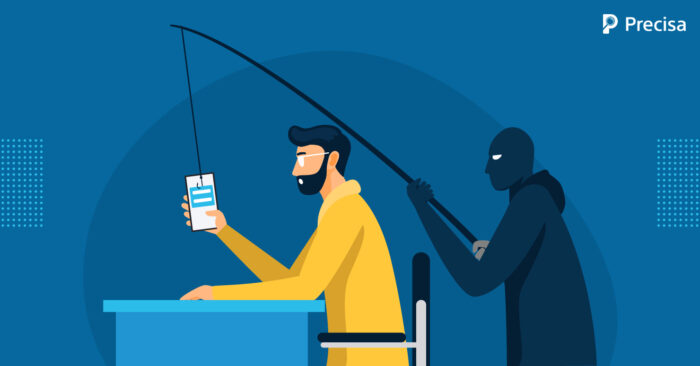
Phishing is one of the common ways banking fraud is done and achieved. Fraudsters pose as legitimate business or bank employees and persuade the victim to provide sensitive information.
While orgs are still waiting for a method to prevent phishing, they can still make it harder for fraudsters to commit identity theft. This can be done by inculcating biometric scanning into the bank’s identification process.
Biometric data is unique to each individual, and it can prove without a doubt that the person is the legitimate holder of the bank account.
Wrapping Up
Preventing banking fraud should be one of the top priorities of banks in the 21st Century. Such activity can jeopardise the legitimacy and trust of the whole system and leave banks vulnerable to legal action.
Banks need to be increasingly vigilant to prevent ever-growing ways of committing fraud. The best way to do so is to employ modern technology to standardise and monitor banking processes.
If you’re looking for a way to analyse bank statements completely automatically, then check out Precisa. You can also read more about speeding up loan disbursals here.
 Mumbai