Your partner bank rejects another application. Third one this month. The reason? “Applicant creditworthiness concerns.” But the salary looked solid, the CIBIL score was decent, and the statements seemed clean. But here’s what happened: somewhere in those 60 pages of bank statements, an irregularity signalled high risk. Your manual review missed it. The bank’s automated […]
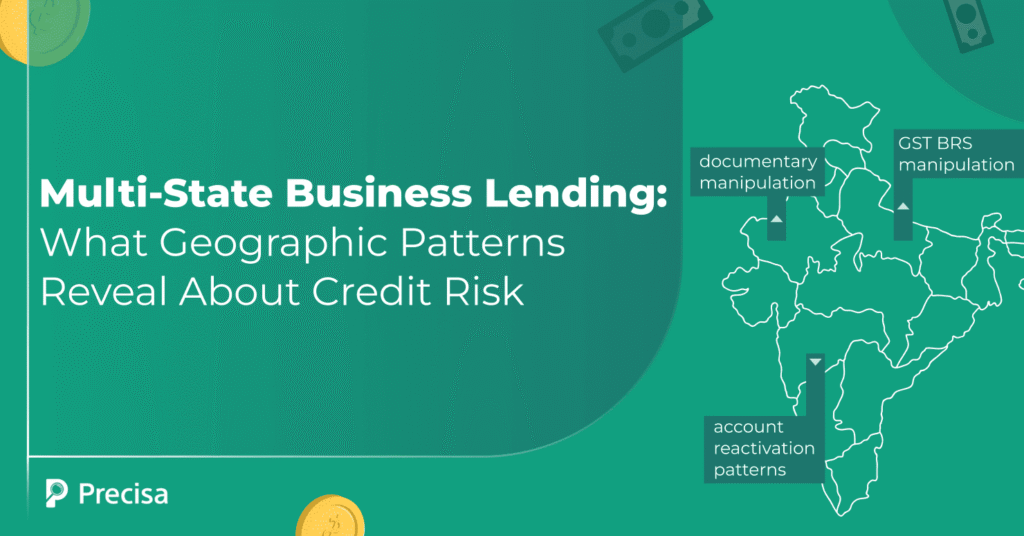
Multi-State Business Lending: What Geographic Patterns Reveal About Credit Risk
Your underwriter approved a Mumbai trading firm in 48 hours. Clean documents, stable cash flow, CIBIL score of 730. Eight months later, it’s restructured. The Jaipur application you rejected last week? Your competitor funded it, and it’s performing. Same underwriting model. Same credit policies. Different states, different outcomes. India’s ₹46 lakh crore small business credit […]
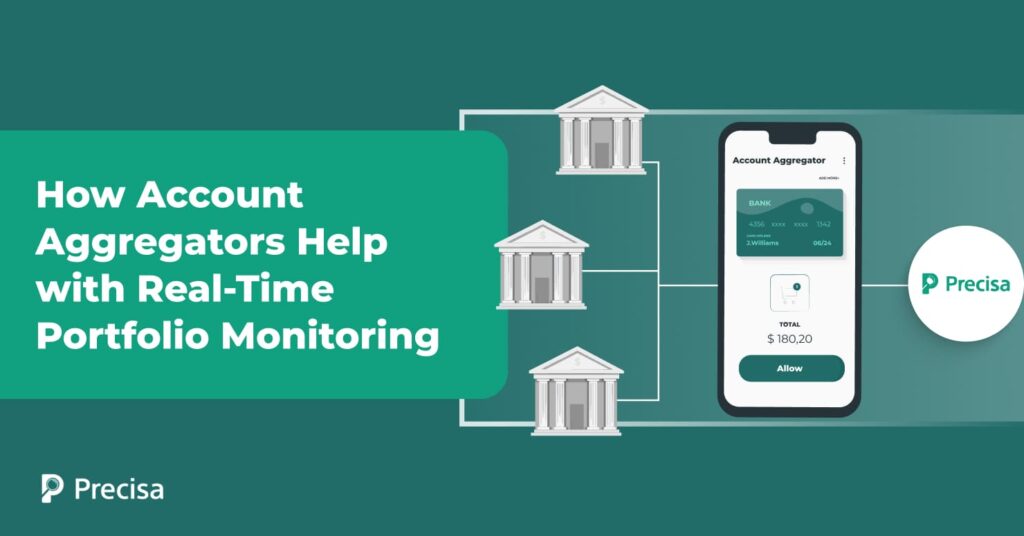
How Account Aggregators Help with Real-Time Portfolio Monitoring
Customer cash flows change daily. Seasonal swings, gig incomes, and billing cycles make a single financial snapshot unreliable. Quarterly or monthly reviews hide deterioration for weeks or months. By the time you spot a problem, the borrower may already be late. To manage risk earlier, lenders need visibility that updates as cash flows change. Real-time […]
Modern Bank Statement Terms: A Guide for Lending Professionals
Your underwriting team approved a ₹10 lakh loan yesterday. The bank statement showed stable income and salary deposits within the first week of the month. However, they missed a monthly withdrawal of ₹ 60,000 on the same date for six consecutive months. Is it something that requires further investigation, or does the account holder have […]
Precisa vs Finbox: Which Bank Statement Analysis Tool to Choose in 2026
The surge in the lending market in India is already expected to reach $724.2 billion by the end of this year. This requires lenders to rely on intelligent solutions that expedite and strengthen decision-making. Lenders need bank statement analysis tools that go beyond basic document review. They need platforms that extract actionable insights from raw […]
How to Reduce Financial Forensic Investigation Time by 95%
When it comes to financial forensic audit, time directly affects outcomes. Many audit firms still spend 30–45 days manually reviewing bank statements, reconciling transactions, and tracing fund movements across accounts. These delays usually arise from unstructured data, inconsistent bank formats, and the need for manual cross-verification, all of which slow investigations and increase operational risk. […]
Visualising Money Trails: Inter-Bank Transfers in Forensic Audits
Tracing the movement of funds, or mapping money trails, is a core task for forensic investigators, auditors, and underwriters to uncover cases involving fraud, tax evasion, and financial irregularities. In India, financial crimes often involve complex layers of transactions, and bank statements are a valuable source that aid investigators in uncovering irregularities. Bank statements are […]
The Circular Transaction Trap: How Borrowers Inflate Their Bank Balances?
Do you rely on bank statements to get an accurate picture of the borrower’s financial health, and does the statement you got look perfect? If so, you need to scrutinise the document more carefully to determine whether the statement has been staged. Spotting circular transactions could be a good place to start. Circular transactions involve […]
B2B vs B2C Sales Patterns: What Bank Statements Reveal
When you review bank statements, similar-looking applications can hide very different business models. One applicant might show dozens of small daily credits totalling ₹50,000, whilst another receives just three large payments of about ₹15 lakhs a month. The revenue is similar, but their risk profiles aren’t the same. Bank statements reveal the difference between B2B […]
AML Compliance for NBFCs: 10 Suspicious Patterns to Monitor Daily
NBFCs today operate in a lending environment where financial crime risks evolve faster than traditional controls. Regulators expect institutions to demonstrate continuous monitoring, documented controls, and proactive reporting. The FIU-IND received 4,36,287 STRs in FY 2022–23, highlighting how widespread suspicious activity continues to be across the financial system. Against this backdrop, NBFCs must go beyond […]